
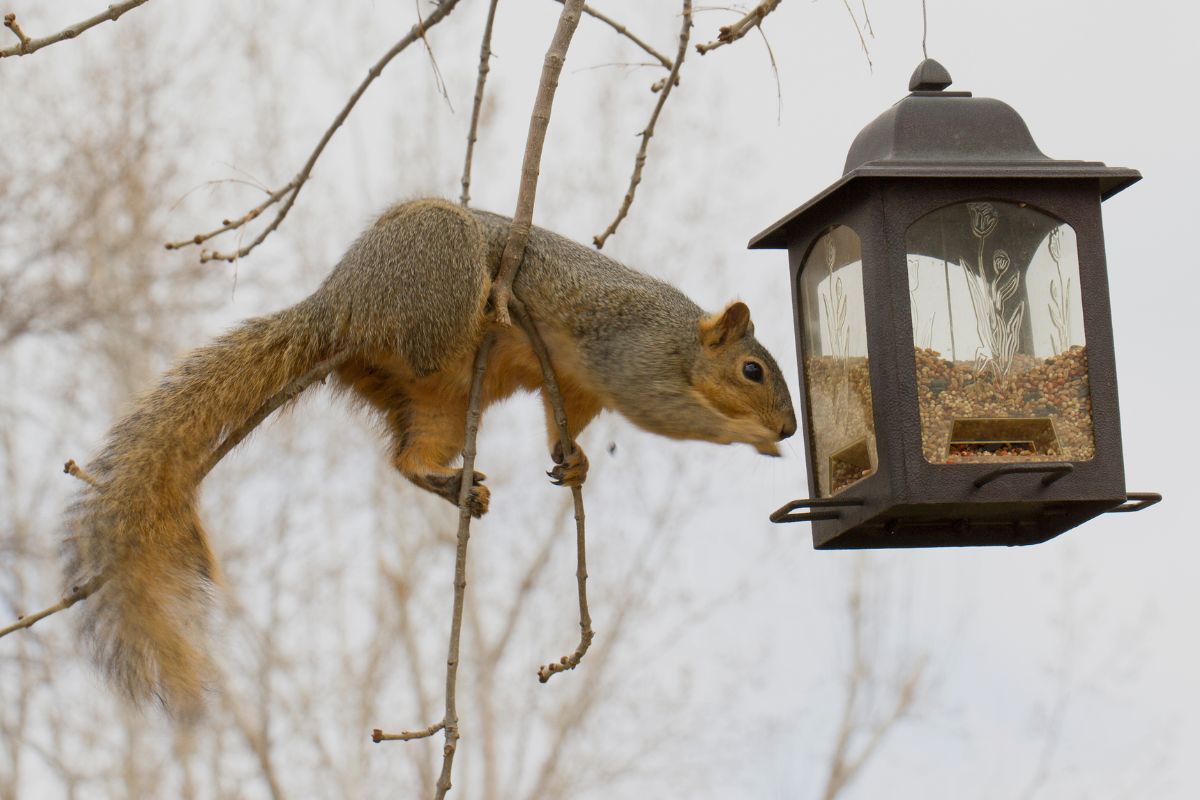
Bird feeders help garden birds get through cold snaps and lean months when natural seed and insects are scarce. Squirrels complicate that effort. They are agile, persistent, and quick to learn, and a feeder that isn’t built to keep them out rarely stays full for long.
Manufacturers have been designing around this problem since the 1940s, and the patent record shows a steady run of mechanical fixes: slippery poles, baffles, weight-triggered doors, and mild electric shocks. This post covers how those designs developed, what research says about squirrel intelligence and the real effects of feeding birds, and where to place a feeder so it actually works.
A squirrel-proof bird feeder uses one of three mechanisms to block squirrels while letting birds feed: a spring or shroud that closes under a squirrel’s weight, a cage with openings too small for a squirrel’s body, or a smooth pole and baffle placed out of jumping range. No design is 100% squirrel-proof; the goal is to make raiding difficult enough that squirrels give up.
- Weight-activated, cage-enclosed, and electronic feeders are the three main mechanical categories, and each has trade-offs in cost, upkeep, and reliability.
- Placement matters as much as design. Audubon recommends keeping feeders at least 8 to 10 feet from any tree, fence, or roof a squirrel could jump from.
- Grey squirrels can recall a feeding solution up to 22 months after they last used it, according to University of Exeter research, so switching feeder styles occasionally helps.
- Feeding birds is not purely beneficial. Research shows it can raise disease exposure at feeders and shift local bird communities toward a few dominant species, alongside its clear benefits for winter survival.
- Safflower seed, Nyjer, and capsaicin-treated seed reduce squirrel interest without excluding them entirely; none of these work as a standalone fix.
NOTE:
This blog post contains everything you need to know about squirrel-proof bird feeders. However, if you’re only looking for a good squirrel-proof bird feeder, you can choose from the 13 options provided below – the 13 best squirrel-proof bird feeders.
Early Attempts at Squirrel-Proof Bird Feeders
Squirrel-proof feeder patents go back further than most people expect. U.S. Patent 2,277,420, granted to E. Stanfield in 1942, is one of the earliest on record, and later filings built on the same handful of ideas that still show up in feeders today. Three approaches dominated the early decades:
- Slippery pole systems: feeders mounted on tall, smooth poles that squirrels struggle to grip and climb.
- Baffles: dome or cone-shaped barriers fitted above or below the feeder. An umbrella-shaped version, patented by M. Blasbalg in 1982 (U.S. Patent 4,327,669), is one of the most widely copied baffle designs still sold today.
- Distance-based placement: keeping feeders well away from trees, fences, or roofs a squirrel could jump from.
Later patent filings note a recurring problem with rigid baffles: a determined squirrel could rock the feeder hard enough to shake seed loose, then eat it off the ground below. That flaw pushed inventors toward feeders that responded to a squirrel’s weight rather than just blocking its path, which set up the next generation of designs.
Evolution of Squirrel-Proof Bird Feeder Designs
Three mechanisms make up most of the modern squirrel-proof market, though they build on the same basic types of bird feeders used for any backyard setup:
- Weight-activated feeders: A squirrel’s weight pulls down a shroud or spring-loaded perch that closes the feeding ports, an approach patented by inventors including F. Brown in 1992 (U.S. Patent 5,156,112). Birds are light enough to feed normally. According to Audubon, these feeders work well as long as the feeder hangs far enough from a tree trunk or pole that a squirrel can’t simply pull it closer to reach the seed without triggering the mechanism.
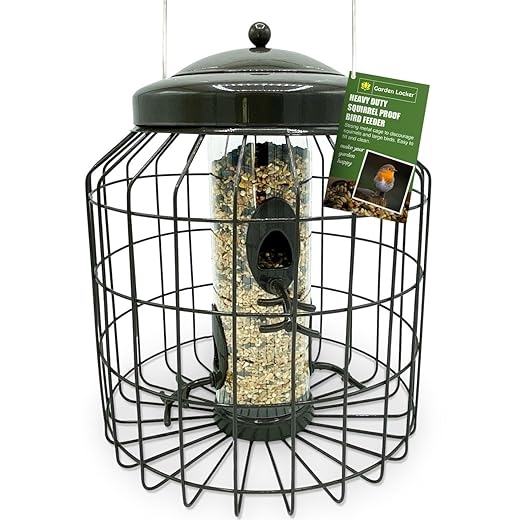
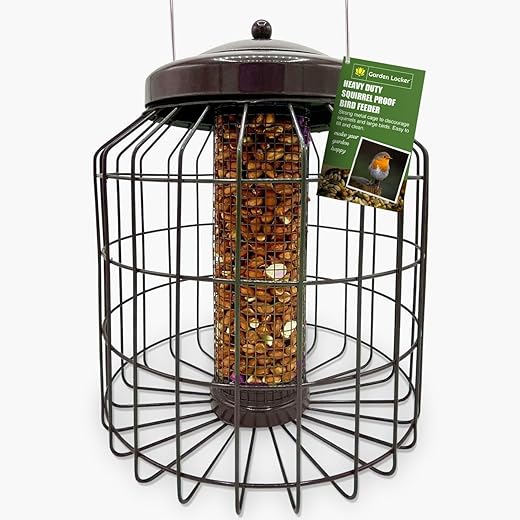
- Cage-enclosed feeders: An outer wire cage lets small birds through the gaps while keeping squirrels (and often larger birds such as grackles and blue jays) out. The seed itself sits inside the cage, so the cage’s opening size is what does the work. Some larger squirrels can still reach through wider mesh, so gap size matters more than the cage’s overall look.
- Electronic deterrents: A mild, non-injuring shock discourages squirrels that touch a conductive surface on the feeder. Patents for this approach date to the early 1990s, including a 1992 design from J. Boaz. These feeders can be effective, but they cost more, need batteries or charging, and require occasional maintenance to keep the circuit working in wet weather.
One commercial design became a genuine industry benchmark: the SquirrelBuster line, patented by Paul L. Cote in 2001 (U.S. Patent 6,253,707), popularised the spring-loaded shroud mechanism that most weight-activated feeders on the market now use in some form.
What Research Says About Squirrel Behaviour
Squirrel-proofing keeps having to catch up with squirrel cognition. A 2017 study from the University of Exeter’s Centre for Research in Animal Behaviour, led by Dr Pizza Ka Yee Chow, found that grey squirrels could recall how to solve a food-retrieval puzzle up to 22 months after they last tried it, and quickly applied the same technique to a redesigned version of the test. Lead researchers noted this points to a genuine memory for technique, not just a memory for where food is hidden.
A follow-up study published in the journal Animal Behaviour compared invasive eastern grey squirrels with native Eurasian red squirrels on the same problem-solving tasks and found grey squirrels solved harder tasks faster, a trait researchers linked to their success in spreading through new urban and suburban habitats. Practically, this means a feeder design that worked for a season may stop working once local squirrels adapt to it, and rotating between different deterrent types (baffle one year, weight-activated feeder the next) tends to outperform sticking with one approach indefinitely.
Impact of Squirrel-Proof Bird Feeders on Bird Populations
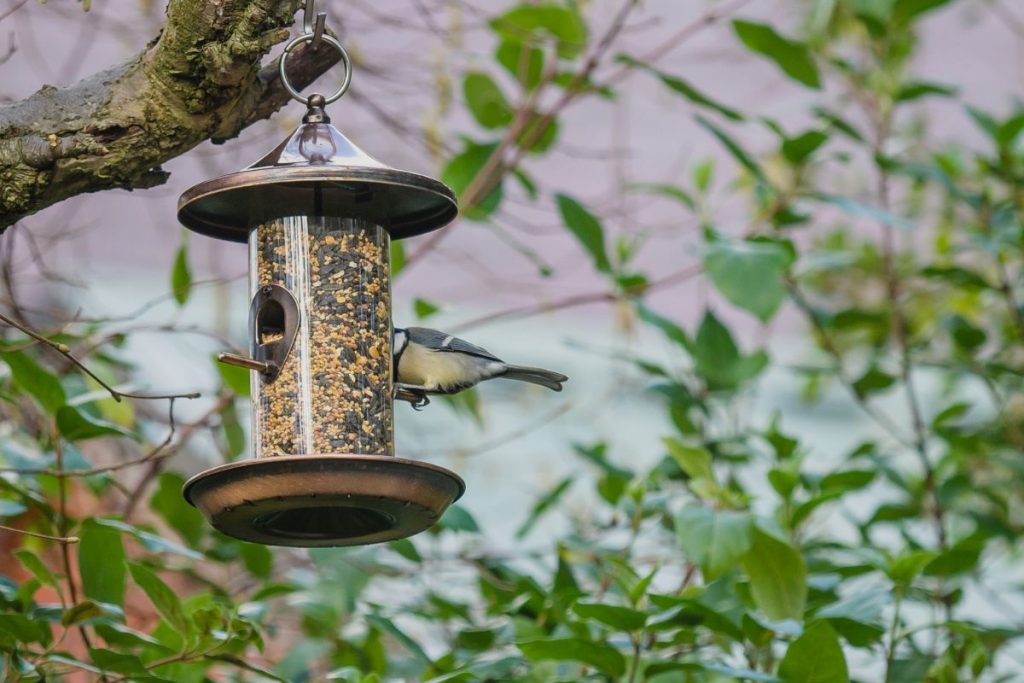
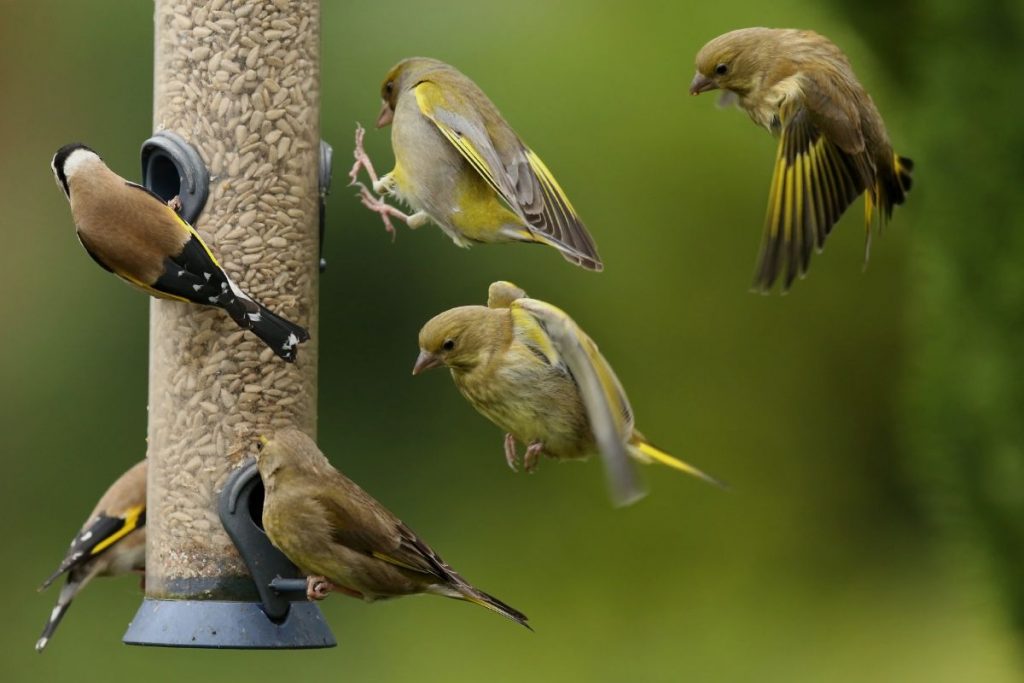
Feeding birds is often treated as an unambiguous good, and the research is more mixed than that. A Conservation Physiology study on feeder birds found that birds using feeders were generally healthier than birds without feeder access, with one notable exception: birds at feeders showed a higher rate of disease, which is one reason regularly cleaning feeders matters as much as excluding squirrels from them.
At the community level, a study published in Frontiers in Ecology and the Environment found that large-scale supplemental feeding can reshape which species dominate an area, sometimes favouring a smaller number of species rather than lifting overall bird diversity evenly. A New Zealand study on urban feeding reached a similar conclusion, finding that typical feeding practices increased the density of introduced species more than native ones. Separately, researchers have found that heavy feeding near a feeding station can reduce ground beetle numbers nearby, since ground-foraging birds concentrate their activity around the free food. None of this means feeding birds is harmful on balance; it means the effects are more complicated than “more feeders, more birds,” and Cornell Lab’s Project FeederWatch is still gathering long-term data to answer exactly how supplemental feeding affects wild bird populations across North America.
13 Best Squirrel-Proof Bird Feeders






Getting Feeder Placement Right
Even the best feeder underperforms in the wrong spot. Audubon’s guidance, based on how far squirrels can jump, comes down to two numbers: keep the feeder at least 8 to 10 feet from any tree, fence, or building a squirrel could launch from, and if you’re using a pole baffle, mount it between 4 and 5 feet off the ground. Lower than that and squirrels use the baffle itself as a launch pad; higher, and they can jump straight over it from the pole below.
Seed choice adds a second layer of protection. Safflower seed and Nyjer (thistle) seed are both widely reported by wild-bird retailers and extension resources to be less appealing to squirrels than sunflower seed, largely down to taste and how much effort they take to eat, though a hungry squirrel may still sample either. Seed lightly dusted with cayenne pepper works on the same principle: birds lack the receptor that makes capsaicin feel hot to mammals, a finding confirmed in wildlife repellent research from Cornell University, so birds feed normally while squirrels tend to avoid it after one taste.
Conclusion
No feeder on the market is completely squirrel-proof, and the patent record backs that up: nearly a century of increasingly clever mechanisms has produced better odds, not a permanent fix. What works reliably is combining a well-built weight-activated, cage-enclosed, or baffled feeder with correct placement, and being ready to switch things up if squirrels in your yard adapt to whatever you’re using.
If you’re setting up a new feeding station, start with placement (8 to 10 feet from any jump point), pick one of the three mechanical types above based on your budget and how much upkeep you want, and consider safflower or capsaicin-treated seed as a low-effort second layer. Clean the feeder regularly, both for the birds’ health and to keep spilled seed from drawing squirrels back to the base of the pole.
FAQs – Squirrel-Proof Bird Feeders
Q: What makes a bird feeder squirrel-proof?
A: Most squirrel-proof feeders rely on one of three mechanisms: a weight-triggered shroud that closes feeding ports, a cage with openings too small for a squirrel’s body, or a smooth pole and baffle positioned out of jumping range. Combining two of these gives better odds than relying on just one.
Q: How do weight-activated feeders work, and can squirrels beat them?
A: A squirrel’s weight pulls down a shroud or spring-loaded perch that blocks the feeding ports, while lighter birds trigger nothing. Squirrels can sometimes defeat this by climbing from a nearby branch and pulling the feeder toward themselves without ever putting their full weight on it, which is why hanging distance from the nearest launch point matters as much as the mechanism itself.
Q: Do cage-enclosed feeders also keep out grackles and blue jays?
A: Often, yes. A cage sized to exclude squirrels usually also blocks larger birds such as grackles, starlings, and blue jays, since the same opening size that stops a squirrel’s body also stops a bigger bird’s. Check the gap measurements before buying if you specifically want to exclude bully birds while still admitting mid-sized species like cardinals.
Q: Are electronic squirrel deterrent feeders safe and worth the cost?
A: These feeders deliver a mild, non-injuring shock through a conductive surface when a squirrel makes contact, and they’ve been sold commercially since patents from the early 1990s. They tend to work well but cost more upfront, need batteries or recharging, and can need occasional maintenance to keep the circuit reliable in wet weather.
Q: How far from trees should I place a squirrel-proof feeder?
A: Audubon recommends at least 8 to 10 feet from any tree, fence, or building a squirrel could jump from. If you’re using a pole baffle, mount it between 4 and 5 feet off the ground; too low and squirrels use it as a launch pad, too high and they can jump over it from below.
Q: Does cayenne pepper on birdseed actually harm the birds?
A: No. Birds lack the TRPV1 receptor that makes capsaicin feel like heat to mammals, a finding used in wildlife repellent research conducted through Cornell University. Birds eat cayenne-treated seed without any apparent reaction, while squirrels and other mammals tend to avoid it after sampling it once.
Q: Will squirrels eventually get used to safflower or Nyjer seed?
A: Wild-bird retailers and extension resources widely report that safflower and Nyjer (thistle) seed are less appealing to squirrels than sunflower seed, largely due to taste and effort relative to reward. It isn’t absolute: a hungry squirrel with no other food source may still eat either, and some individuals do adapt over time.
Q: Can squirrels really remember how to beat a feeder they’ve seen before?
A: Yes. University of Exeter research found grey squirrels could recall a food-retrieval technique up to 22 months after last using it, and quickly adapted that technique to a modified version of the same problem. This is one reason a feeder that worked last year can stop working this year, and why rotating designs occasionally can help.
Q: Does feeding birds help or harm wild bird populations overall?
A: Both, depending on what you measure. Studies show birds using feeders are generally healthier but face higher disease exposure at feeding sites, and large-scale feeding can shift which species dominate an area rather than lifting all species evenly. Regular feeder cleaning and varied seed placement help limit the downsides while keeping the clear winter-survival benefits.
Q: What is a suet feeder, and can it be made squirrel-resistant?
A: A suet feeder holds suet cakes, blocks of animal fat mixed with seeds or fruit that give birds a dense, high-energy food source, especially valuable in cold weather. Squirrel-resistant versions typically add a wire cage around the suet or use a weight-activated mechanism, the same two approaches used in standard squirrel-proof feeders.
Q: Is there such a thing as a truly squirrel-proof feeder?
A: Not completely. Wildlife experts, including staff quoted in Audubon’s coverage of the topic, are candid that no feeder is 100% squirrel-proof given how persistent and physically capable squirrels are. The realistic goal is a setup that makes raiding difficult enough that most squirrels give up and look elsewhere.
Q: Do home remedies like soap shavings or predator decoys actually work?
A: These are popular anecdotal tips rather than tested solutions. Some people report short-term success with strong-smelling soap or fake owls, but squirrels habituate quickly to stationary decoys, and there’s no controlled research confirming soap scent as a reliable deterrent. Treat them as a possible supplement to a mechanical feeder, not a replacement for one.
Q: How can I reduce seed waste and mess under my feeder?
A: A seed tray attached beneath the feeder catches falling seed and hulls, which keeps the ground tidier and removes a food source that draws squirrels to the base of the pole in the first place. Emptying the tray regularly also reduces mould risk in wet weather.
Q: What is a squirrel baffle, and where should it go?
A: A baffle is a dome or cone-shaped barrier, usually metal, fitted above or below a feeder to block a squirrel’s climbing or jumping path. Pole-mounted baffles work best between 4 and 5 feet off the ground; hanging baffles need to sit above the feeder, well clear of any branch a squirrel could jump from.
Q: Should I just set up a separate feeder for squirrels instead?
A: It’s a genuinely useful option. A dedicated squirrel feeder, stocked with corn or peanuts and placed well away from the bird feeder, can reduce how often squirrels bother trying the bird feeder at all, since it gives them an easier food source nearby.
Q: Does “squirrel-resistant” mean something different from “squirrel-proof”?
A: In practice, not much. Neither term guarantees total exclusion, since even the best-designed feeders can eventually be beaten by a persistent or unusually large squirrel. Read product reviews and mechanism details rather than relying on either label alone when choosing a feeder.
References:
About Squirrel (Wikipedia).
About Bird Feeder (Wikipedia).
“How to Stop Squirrels From Raiding Your Bird Feeders,” Audubon magazine.
“Squirrels have long memory for problem solving,” University of Exeter research summary via ScienceDaily.
Chow, P. K. Y. et al., problem-solving comparison of grey and red squirrels, Animal Behaviour (ScienceDirect).
Fitzgerald, C. S. and Curtis, P. D., “Capsaicin as a Repellent to Birdseed Consumption by Gray Squirrels,” Cornell University research via DigitalCommons@University of Nebraska.
Wilcoxen, C. A. et al., “Effects of bird-feeding activities on the health of wild birds,” Conservation Physiology (Oxford Academic).
Robb, G. N. et al., “Food for thought: supplementary feeding as a driver of ecological change in avian populations,” Frontiers in Ecology and the Environment.
“The impacts of supplemental feeding on bird populations,” Project FeederWatch, Cornell Lab of Ornithology.
“The Cutting Edge: Bird Feeder Patents,” 10,000 Birds.
U.S. Patent 5,392,732, Google Patents.
